For parents and teachers
See through the screen
Our culture is saturated with screens, but there's a growing movement toward more analog ways of living: more play, more paper, more outside time. And because technology is unavoidable for this generation, media literacy is critical for adults and kids to understand how these technologies actually work, who owns the platforms, and how to navigate them safely and responsibly.
Free, no sign-up, and yours to print.

Decisions
We make calls that shape a childhood: the first phone, the tablet, the level of access. Each decision gets a straight answer and three ways to act on it, so you can start where you are.
12 decisions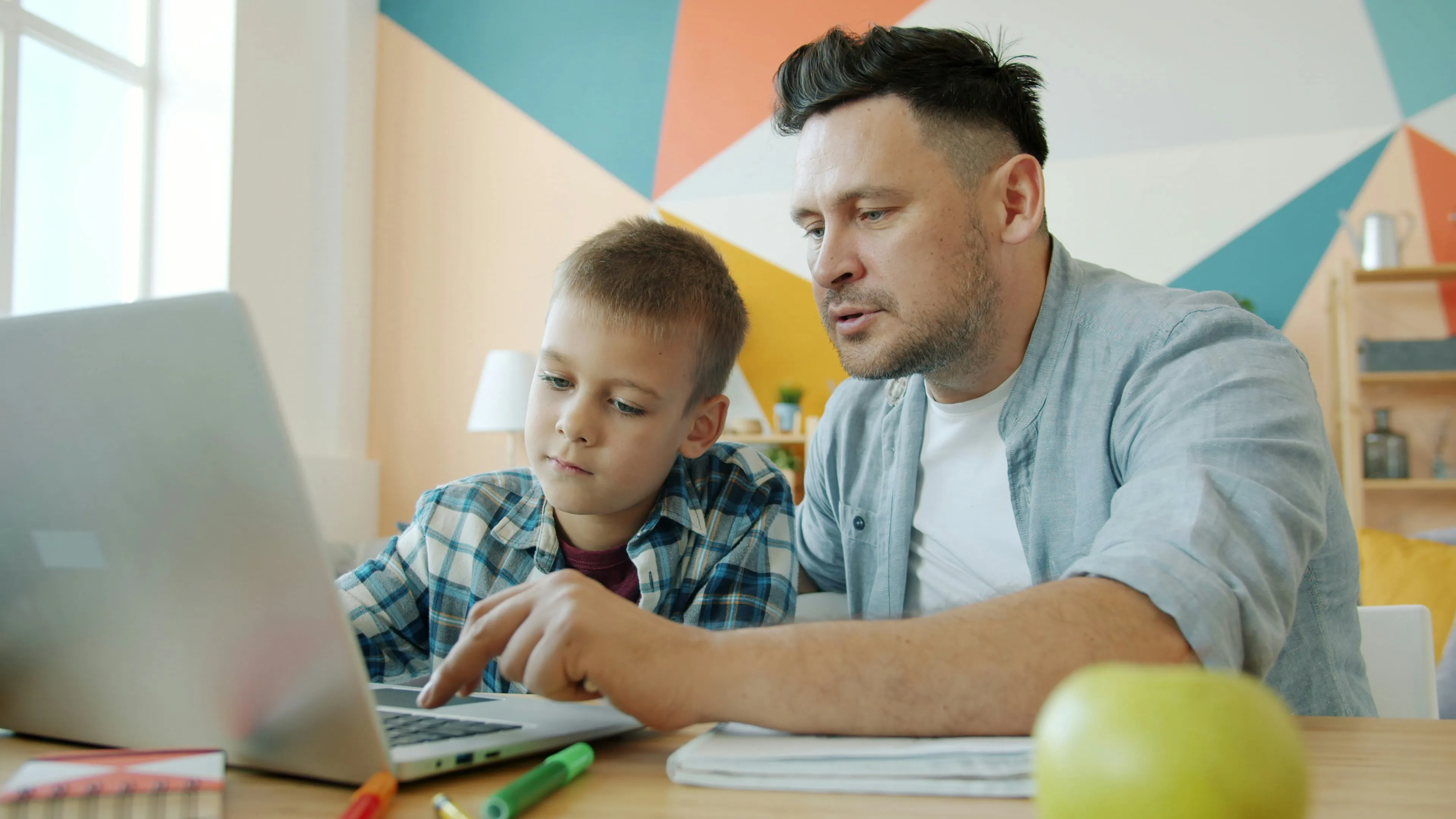
Conversations
What's an algorithm? Where does AI get its material? Who pays for the feed? Every idea written four times over, for different ages.
13 conversationsThe benefits of reduced tech use are clear
Whether phones are behind the rise in teenage anxiety is still disputed among researchers, and we will not pretend otherwise. But the case for analog stands on firmer ground, starting with arithmetic: an hour on a screen is an hour not spent on something else.
Paper beats screen
Across 39 studies of about 1,800 young children, comprehension was lower from a digital book than from the same book on paper.
Furenes, Kucirkova & Bus, Review of Educational Research, 2021It is the portable ones
When researchers asked which screens actually cost children sleep, the answer was the devices that follow a kid into the bedroom.
Twenge, Hisler & Krizan, Sleep Medicine, 2019Play compounds
Unstructured free play in the early years predicted stronger self-regulation years later, and that capacity tracks with outcomes across a lifetime.
Colliver, Harrison, Brown & Humburg, Early Childhood Research Quarterly, 2022
Hear when we publish something new
We understand too many emails are really, really annoying – even good ones. So we'll limit our communications to only important announcements, make unsubscribing easy, and if we grow enough to offer more frequent updates, you can opt in to those if you want.
You're on the list. Thank you.
That did not work. Please try again, or email hello@offlinechildhood.com.
Not sure where to start?
Answer a few questions about your kids and get a plan you can stick on the fridge. It takes about three minutes, and we do not ask for your email to give it to you.
Build your family plan